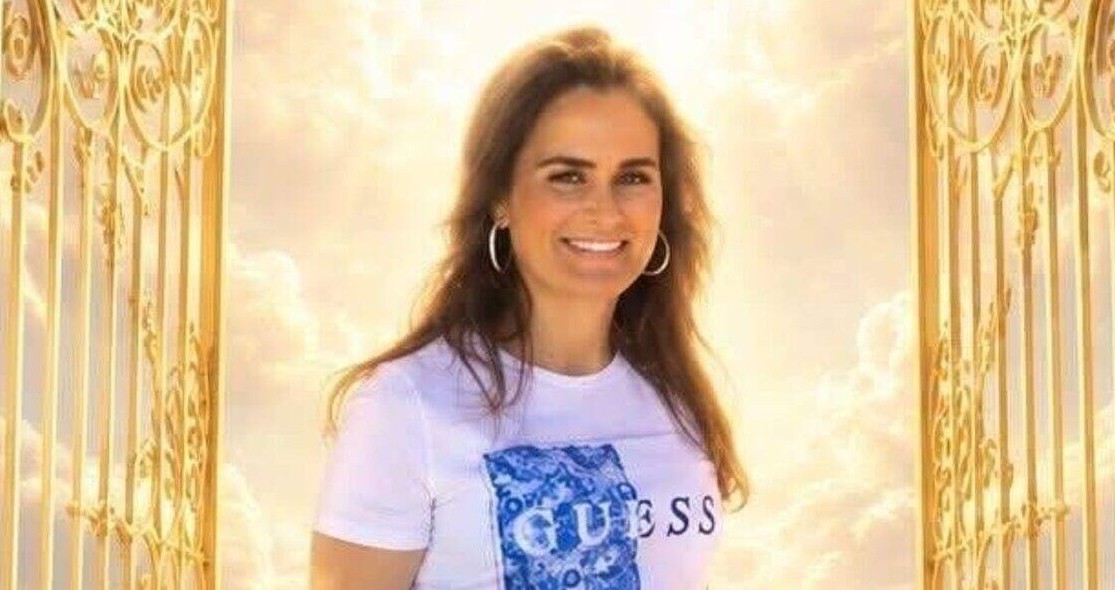
Her name is Annmarie O’Reilly. She was 30 years old, a mother of three boys, from Clonmel, Co. Tipperary, with family ties to Kilkenny. She had built a life for herself and her children on the other side of the world, in Melbourne, Australia.
On the morning of Friday, 21 August, emergency services were called to a home on Ferntree Gully Road, in the Melbourne suburb of Ferntree Gully. They found Annmarie with serious injuries. Paramedics tried to save her. They couldn’t. She was pronounced dead at the scene.
Her three-year-old son was in the house at the time. Her two older boys had been dropped at school only shortly before.
A 45-year-old man was arrested nearby a short time later, originally from Waterford, and reported to have been Annmarie’s partner for more than a decade. He has been charged with her murder and remanded in custody, with his case due back before Melbourne Magistrates’ Court in February 2027. Police have said the two were known to each other, the phrase used, again and again, in yet another woman’s death.
Reports have also stated that he was known to law enforcement. Once again, the language media used to report violence against a woman leaves me furious. Radio stations also reporting “the pair were known to each other.” No. They were not simply known to each other. He was her partner. There is a world of difference between saying two people were known to each other and acknowledging that a woman was allegedly killed by the person with whom she shared an intimate relationship.
Language matters.
When we reduce intimate-partner violence to “the pair were known to each other”, we sanitise the reality. We soften it. We make it sound like an unfortunate altercation between two people who happened to cross paths. They didn’t. This was a relationship.
One person used violence against another person with whom he shared an intimate relationship, and that woman lost her life.
That is not simply a crime involving two people who knew each other. It is the alleged killing of a woman by her partner. There is another part of this story that cannot be ignored, reports indicate that the man charged was already known to law enforcement. That should raise questions.
Every time a woman is killed by a current or former partner, we need to ask what was known, what was recognised, what was missed and what could have been done differently.
Annemarie was not a statistic. She was a daughter. A mother. A friend. A woman with a life, hopes, plans, ordinary days and extraordinary moments still ahead of her. Now three children have to grow up without their mother. That is the devastation that gets lost when we turn women into numbers and relationships into vague phrases.
Australia has now 47 women killed in domestic and family violence-related circumstances this year, with Annemarie being identified as the 46th woman killed in Australia in 2026 by domestic and family violence, according to femicide monitoring.
How many more women have to die before we stop treating male violence against women as a collection of individual tragedies and start confronting it as the societal crisis it is?
We need better language.
We need better reporting.
We need better prevention.
We need better policing and risk assessment.
We need systems that recognise patterns of coercion, control, intimidation and violence before they escalate to homicide. We need to stop making the perpetrator disappear behind passive language, because “the pair were known to each other” tells us almost nothing.
Annemarie was murdered.
The person charged with her murder was her partner. That matters. It matters because context matters. It matters because violence against women does not happen in a vacuum. It matters because if we refuse to name the problem accurately, how can we ever hope to prevent it?
Annmarie O’Reilly should be raising her three sons in Melbourne right now, not becoming another entry in a grim, growing tally of women killed by men’s violence — in Australia, in Ireland, everywhere.
Annmarie was a daughter, a sister, a mother of three boys who will grow up without her. That is the story that matters most.
Rest in peace, Annmarie
If you or someone you know is experiencing any form of abuse, domestic, gender based or sexual violence please reach out to Women’s Aid.
- Ireland — Women’s Aid 24-Hour National Freephone Helpline: 1800 341 900, or womensaid.ie
- Northern Ireland – Women’s Aid 028 9024 9041 or website for all local numbers HERE
- UK — National Domestic Abuse Helpline: 0808 2000 247
The FEMCAST … Amplifying voices for safer cultures.
Subscribe to The FEMCAST and help us bring these critical stories to light. Each listener, each voice, and each story makes a difference. Together, we can break the silence.
If you enjoy our content and would like to support our research and work, consider buying me a coffee. Your contribution helps me continue creating this content. Thank you for your support!