

The Hidden Trauma of Workplace Bullying
Workplace bullying is still too often dismissed as personality clashes, office politics, or “just part of professional life.” But what if it is far more serious than uncomfortable working relationships?
What if workplace bullying is actively changing how the brain functions?
What if the exhaustion, anxiety, and loss of confidence many professionals carry home each evening are not signs of weakness – but symptoms of sustained psychological harm?
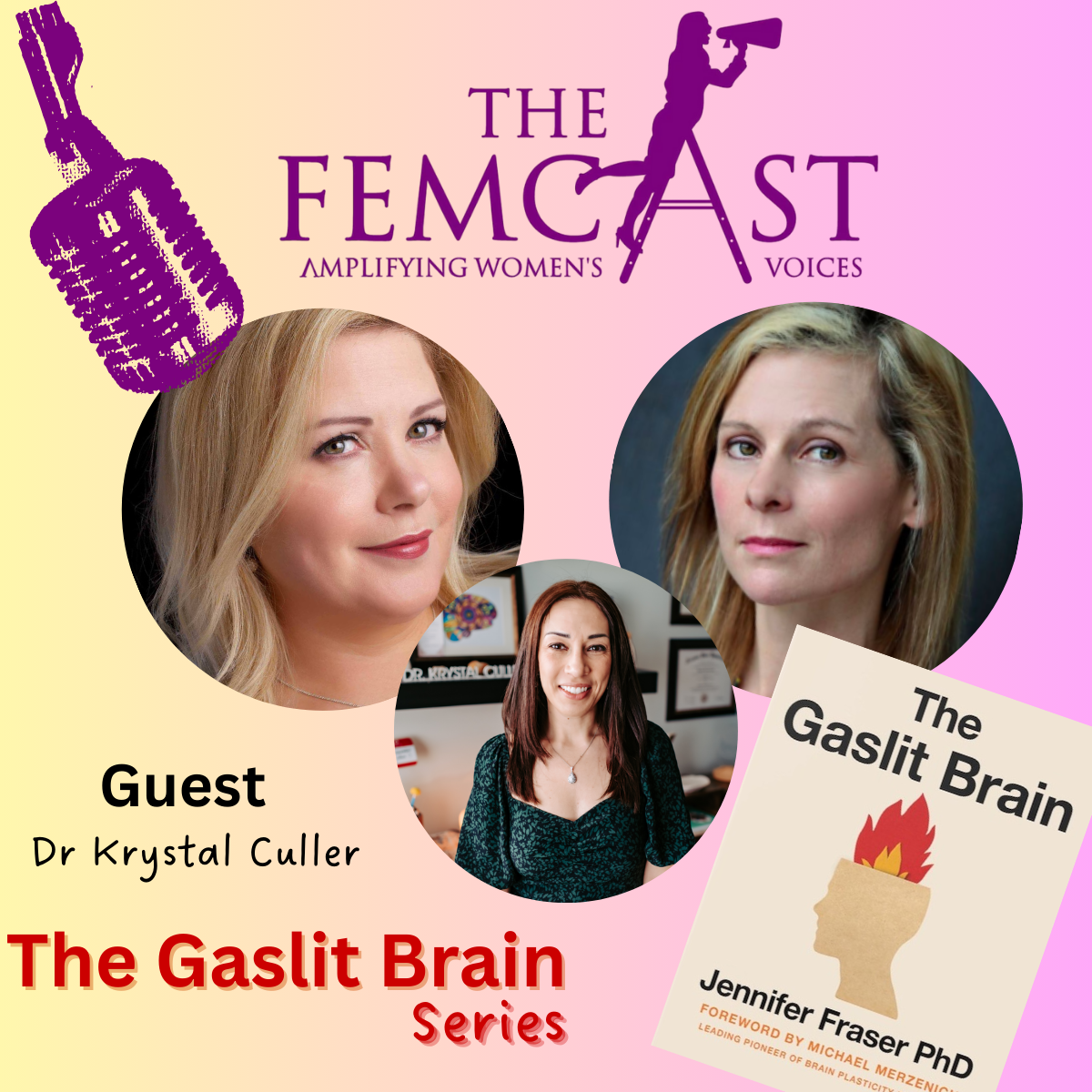
In the latest episode of The Gaslit Brain series on The FEMCAST Podcast, we examine the neurological and emotional toll of toxic work environments. Through expert insight and deeply personal testimony, this episode exposes how institutional bullying quietly damages individuals, particularly women and vulnerable workers, and explores how people and organisations can begin to change this reality.
The Workplace Was Never Meant to Be a Place of Survival
Workplaces should be spaces where individuals grow, contribute, and feel valued. Yet for many, work becomes a daily environment of fear, manipulation, and emotional erosion.
Bullying in professional settings is not simply unpleasant. Research increasingly shows that prolonged exposure to workplace abuse can fundamentally impact brain health.
Chronic workplace bullying has been linked to:
- Elevated stress hormones such as cortisol, which can damage brain regions responsible for memory and emotional regulation
- The development of learned helplessness, where individuals lose confidence in their ability to influence outcomes
- Increased risk of long-term anxiety disorders, depression, and post-traumatic stress responses
- Cognitive symptoms including brain fog, reduced concentration, and impaired decision-making
This is not about being unable to “handle pressure.” This is about neurological injury caused by sustained psychological threat as explained by Dr Jen Fraser, our expert.
Why Women and Marginalised Workers Are Disproportionately Targeted
Workplace bullying does not occur in isolation from wider societal power structures. Women, particularly those in leadership, advocacy, caregiving professions, and male-dominated sectors, often experience bullying differently and more persistently.
Rather than overt aggression, women are frequently subjected to relational and reputational forms of harm, including:
- Undermining credibility
- Exclusion from decision-making
- Persistent micro-invalidations
- Gaslighting that erodes professional confidence
These behaviours are harder to document, easier to dismiss, and more socially tolerated. Many women find themselves trapped in an impossible double bind – speak out and risk being labelled difficult or emotional, or remain silent and absorb escalating harm. This is not interpersonal conflict. It reflects structural workplace inequality that demands urgent attention.
A Lived Reality – When Toxicity Becomes a Health Crisis
The episode features the powerful story of Dr Krystal Culler, a mental health professional whose career success was overshadowed by sustained workplace toxicity. What began as professional strain escalated into severe physical and psychological symptoms, including seizures and debilitating anxiety. The experience forced her to confront a difficult but life-saving realisation – remaining in a harmful environment was placing her long-term health at risk. Her story reflects what countless professionals experience silently — a slow erosion of wellbeing masked by expectations to remain resilient and productive. It also highlights a crucial truth. Workplace bullying does not stay at work. It follows individuals home, into relationships, into sleep, and into physical health.
The body often recognises danger long before individuals feel safe enough to name it.
Workplace trauma rarely announces itself clearly. It often emerges through subtle but persistent changes in emotional and physical wellbeing. Recognising the sign your brain and body are under threat, warning signs include:
- Chronic exhaustion that rest does not relieve
- Difficulty concentrating or frequent memory lapses
- Increasing anxiety linked to workplace interactions
- Physical symptoms such as headaches, panic responses, or neurological episodes
- Persistent self-doubt and internalised blame
- Replaying workplace conversations long after they end
- Dread associated with emails, meetings, or specific colleagues
Workplace Abuse Is Not a Personality Issue
One of the most damaging aspects of workplace bullying is how frequently responsibility is shifted onto those experiencing harm. Targets are often told they are too sensitive, misinterpreting situations, or failing to adapt to workplace culture. These narratives protect organisational reputation while silencing legitimate experiences.
Bullying thrives in environments where accountability is weak and silence is rewarded. When institutions minimise harm, they reinforce institutional gaslighting – a process that distorts reality and deepens psychological damage. Naming workplace abuse accurately is not dramatic. It is necessary.
While systemic reform remains essential, individuals navigating toxic workplaces can take practical steps to protect their wellbeing and future stability.
Creating a Personal Exit and Support Plan
Leaving harmful environments is frequently framed as failure. In reality, it is often an act of profound self-preservation.
Protective strategies may include:
- Building financial stability or developing alternative income streams
- Quietly expanding professional networks to identify healthier opportunities
- Seeking guidance from trusted mentors, therapists, or career coaches
- Documenting workplace incidents to maintain clarity and personal validation
Dr Culler’s journey included launching her own business and reconnecting with supportive professional networks, demonstrating how reclaiming autonomy can be a critical step toward recovery.
The Responsibility Organisations Can No Longer Ignore
Individual resilience will never solve institutional harm. Sustainable workplace wellbeing requires systemic accountability. Organisations serious about psychological safety must move beyond awareness campaigns and commit to measurable change, including:
- Trauma-informed leadership training
- Transparent and independent reporting structures
- Clear, enforced anti-bullying policies
- Cultures that reward respect, inclusion, and psychological safety
- Leadership accountability mechanisms that protect employees, not reputations
Workplace wellness programmes are ineffective when toxic leadership behaviours remain unchallenged. Healthy workplaces are not built through resilience workshops. They are built through accountability.
Why Conversations Like This Matter
For many professionals, workplace bullying remains isolating and difficult to articulate. Shame, fear of retaliation, and professional consequences often prevent individuals from seeking support or naming their experiences. This episode of The Gaslit Brain aims to break that silence. It validates lived experiences while challenging organisations to recognise workplace bullying as a serious health and equality issue. Because the impact extends far beyond job satisfaction. It shapes identity, confidence, career longevity, and neurological wellbeing.
A Call for Cultural Change
No one should have to sacrifice their health to maintain employment. No professional should question their worth because of toxic leadership or unsafe organisational cultures. Workplaces have the power to shape lives positively or destructively. Choosing accountability, empathy, and psychological safety is not only ethical — it is essential for sustainable performance and human dignity. Every professional deserves to work in an environment where they are respected, heard, and safe to contribute fully.
Listen to the Full Conversation
This episode of The Gaslit Brain is more than a discussion about workplace bullying. It is a conversation about power, health, equality, and the urgent need to redefine what professional safety truly means.
If you have ever questioned yourself because of a workplace environment, this conversation is for you.
Because healing begins when experiences are believed, named, and shared.
Share this post, tag a friend, and help us raise awareness. Together, we can create healthier, brain-safe workplaces and communities.
Join the Movement
 Order The Gaslit Brain
Share this series with someone who needs to understand what’s at stake.
If you or someone you know is experiencing any form of violence or abuse, please visit our website for numbers to all Supports & Help HERE
Subscribe to The FEMCAST and help us bring these critical stories to light. Each listener, each voice, and each story makes a difference. Together, we can break the silence.
If you enjoy our content and would like to support our research and work, consider buying me a coffee (by clicking links). Your contribution helps me continue creating this content. Thank you for your support!